Liquidy expert tips on batteries for e cigarettes and maximizing vape battery life

Practical guidance from Liquidy on choosing and caring for vape power cells
Every vaper who wants consistent flavor, reliable performance, and long-term savings needs a practical plan for power management. This guide—inspired by the user-first approach of Liquidy—focuses on the real-world details of batteries for e cigarettes and how to maximize vape battery life without sacrificing safety or vapor quality. Throughout the content you will find clear, actionable sections covering types of cells, charging behavior, storage, device compatibility, and safe handling. The goal: to make sure your Liquidy experience is powered by the right choices in batteries for e cigarettes, extending runtime and improving overall battery health.
Why battery selection matters for vaping
Choosing the right cell impacts more than just how long you can vape between charges. The chemistry, capacity, continuous discharge rating (CDR), and form factor influence flavor reproduction, coil compatibility, and device safety. For example, using a high-drain cell with a sub-ohm coil maintains stable voltage under load, preventing sudden dips that alter taste or produce a weak throat hit. From starter pod systems to dual-battery regulated mods, knowing what to put into your device is a key part of responsible vaping and optimized performance.
Common battery chemistries and shapes
- Li-ion (Lithium-ion): The most common rechargeable chemistry used in many vape mods and disposable systems due to a strong balance of energy density and cost.
- IMR / INR (Lithium Manganese / Nickel Manganese Cobalt): Often preferred for vaping thanks to better thermal stability and higher safe continuous discharge rates, ideal for sub-ohm use.
- 18350, 18650, 20700, 21700: Standard cylindrical sizes. The 18650 has been ubiquitous, but 20700 and 21700 cells offer higher capacities and often better discharge characteristics for modern power-hungry devices.
- Integrated pouch cells: Found in many pod kits and all-in-one devices; these are not user-replaceable and require attention to charging cycles and ambient conditions.
How to read battery specifications
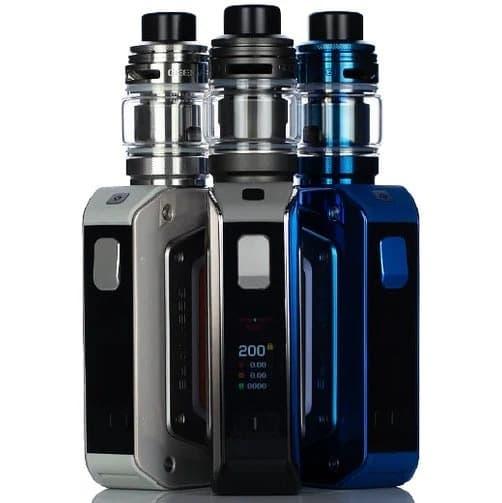
Three numbers matter most on a spec sheet: capacity (mAh), nominal voltage (V), and continuous discharge rating (A or CDR). Capacity determines run time: a higher mAh generally means longer between charges. Nominal voltage relates to device compatibility—most vape batteries are 3.6–3.7V nominal. CDR tells you how much current the cell can safely provide without overheating. For safety and performance, always select a battery with a CDR comfortably above the maximum current draw of your coil and device.
Key practices to maximize vape battery life
- Charge smart: Use a dedicated external charger when possible, and avoid leaving integrated devices on charge overnight. A regulated, quality charge cycle extends cell longevity.
- Avoid full discharges: Deep discharge stresses lithium cells. Recharge when you hit roughly 20–30% remaining to keep the cell in a healthier voltage window.
- Keep cool: High heat accelerates degradation. Store and use batteries away from direct sunlight and hot cars. If a device gets very hot during use, pause and let it cool.
- Match cells in multi-battery mods: Use batteries of the same brand, capacity, age, and charge level to avoid imbalance that reduces lifespan or creates hazards.
- Rotate and rest your batteries: If you vape heavily, keep a rotation so cells can rest and balance. Don’t constantly drain and charge the same single cell multiple times per day when alternatives are available.
Charging tips that matter
Smart chargers and best practices reduce internal stress. Slow charging is gentler—0.5C to 1C charge rates (where C is battery capacity) are ideal for longevity. Many vaping cells are safely charged at 0.5–1A for common capacities; a 2500mAh cell charged at 1A charges in about 2.5 hours and balances wear vs convenience. Avoid inexpensive, unregulated USB chargers with poor voltage regulation. When using device-integrated charging, prefer reputable brands (like the gear you might buy alongside Liquidy liquids) and avoid chaining charges in public or uncontrolled environments.
Daily use habits that protect cells
Small changes in how you vape produce measurable improvements in battery lifespan. Avoid chain-vaping because continuous high current draw increases heat and stress. Reduce excessive wattage settings that exceed the recommended range for your coil or battery. Keep contacts clean; oxidized or dirty contact points increase resistance and create extra heat at the junction, which stresses both device and cell. A quick monthly check with a soft cloth and isopropyl alcohol keeps connections efficient.
Safety first: handling and storage of batteries for e cigarettes
Battery safety is paramount. Follow these non-negotiable rules: never carry loose cylindrical cells in a pocket with metal objects, always use a proper protective case, and immediately discard any cell that shows signs of damage—dents, tears in the wrapper, or swelling. For long-term storage, keep cells at 30–50% charge in a cool, dry place; this reduces chemical stress during idle periods and slows capacity loss. When disposing of cells, use local battery-recycling programs—do not throw lithium cells in household trash.
Choosing the right cells for your setup
Match battery choice to your device and vaping style. Low-wattage MTL pod systems favor integrated cells or low-drain cylindrical cells with high capacity and stable voltage for mouth-to-lung draws. For direct-lung and sub-ohm setups, choose high-drain IMR/INR cells with robust CDR and proven thermal stability. If you use regulated mods, you can often select a higher-capacity 20700 or 21700 cell for longer runtime without sacrificing safety. Always prioritize provenance: buy genuine cells from reputable vendors—counterfeit batteries can be dangerously misleading about their ratings.
Understanding continuous discharge rating and real-world current draw
To estimate current draw, use Ohm’s law: I (amps) = V (voltage) / R (ohms). For example, a 0.25Ω coil at 4.0V draws about 16A; ensure your battery’s CDR exceeds that with margin. Some vapers prefer a 30–50% safety margin over calculated draw for headroom and longer battery health. Manufacturers may list “pulse” ratings—these are not safe substitutes for sustained CDR. Use the sustained rating as your guideline when pairing cells with coils.
Maintenance: keeping batteries healthy for longer
- Regular inspection: Check wraps for tears and re-wrap if needed. A small tear in the insulating sleeve can short against the device chassis.
- Balance charging: For multi-cell packs, use a balance charger or a device with internal balancing to maintain even charge states—imbalanced packs age faster.
- Store partially charged: If you won’t use a cell for weeks or months, store at ~40% charge to slow capacity fade.
- Replace preemptively: If capacity noticeably diminishes, or you experience rapid voltage sag under normal loads, plan to replace the cell rather than push it to failure.
Common myths and misconceptions
Some myths persist in vaping communities: “Always drain to zero occasionally to recalibrate” is misguided for lithium cells—deep discharges damage cells and shorten life. Another myth: “Higher mAh always means better performance”—not always, because cells with higher capacity may also have lower CDR and be unsuitable for high-wattage use. Choose the balance appropriate to your device and style.
Troubleshooting performance issues
If your device shows rapid battery drain, check: is the pod or tank leaking and draining via a short path? Are contacts dirty? Is firmware running a power-hungry mode? Test with a fresh, known-good battery and monitor voltage under load with a meter. For persistent heat or swelling, stop using the cell immediately and follow safe disposal steps. Many performance complaints come from mismatched coil resistance and battery CDR—re-evaluate that match first.
When to upgrade your battery strategy
Consider an upgrade when you move to higher wattages, longer sessions, or dual-battery configurations. Newer cell formats (21700, 20700) often combine higher capacity and better sustained discharge characteristics, giving you more headroom. The upgrade path should consider device compatibility, charger support, and available space in your workflow for carrying protected spares.
Environmental and longevity considerations
Long-term health of lithium cells is affected by temperature cycles, charge depth, and charge rate. Avoid extreme cold and heat, and plan for seasonal adjustments: hot summers and cold winters both impact battery chemistry. Proactive care—moderate charging rates, avoiding full charges/discharges, matching cells—translates into months of extra useful life across a typical user’s cells.
Liquidy’s user-centered checklist for battery care
Follow this concise checklist to keep your batteries running reliably: 1) Use quality cells from reputable manufacturers; 2) Keep battery wraps intact and contacts clean; 3) Store at moderate charge levels; 4) Charge with regulated equipment and avoid overnight charging whenever possible; 5) Match batteries in multi-cell devices; 6) Replace cells that show physical or performance issues. Integrate these steps into your routine and you’ll extend battery life while keeping usage safe and predictable.
Quick reference: pairing Coil Resistance to Battery Choice
| Coil Type | Typical Ohms | Recommended Cell CDR |
|---|---|---|
| High-resistance MTL | ≥1.0Ω | 10–15A |
| Low-resistance DL | 0.3–0.9Ω | 20–30A |
| Sub-ohm DL | <0.3Ω | 30–50A+ |
These numbers are simplified rules of thumb. Always calculate specific requirements based on intended voltage/power and apply an appropriate safety margin.
Buying tips and spotting counterfeits
Buy batteries from reputable retailers and watch for telltale signs of counterfeits: inconsistent printing on the wrap, unusual weight, or lack of specification clarity. Check manufacturer websites for batch codes and authentication tools. If a deal seems too good on high-drain cells with premium branding, pause and research—counterfeit cells can misrepresent CDR and capacity, creating risk for both performance and safety.
Summary: balance, margin, and common-sense care
To maximize vape battery life and maintain safe operation, adopt a strategy that balances capacity and discharge rating, provides moderating charging habits, and includes routine inspection and rotation. The brand-first philosophy used by Liquidy encourages pairing excellent e-liquid experience with equally thoughtful hardware choices—starting with the right batteries for e cigarettes. Follow the guidance in this resource, adapt to your personal vape profile, and you will enjoy consistent flavor and better long-term cost-effectiveness from your cells.
Further reading and resources
For deeper technical dives, consult battery manufacturer datasheets, reputable vaping forums with technical moderation, and device-specific user manuals. When in doubt, choose safety: prioritize cells with clear specifications and buy from verified vendors. If you manage a collection of cells, label them with purchase dates and initial capacity so you can track real-world degradation over time.
FAQ
- Q: How often should I replace my removable vape batteries?

- A: Replace when you notice consistent capacity loss, excessive voltage sag under normal loads, swelling, or physical damage. For many vapers, replacement cycles range from 6–18 months depending on usage patterns and care.
- Q: Is fast charging bad for vape batteries?
- A: Fast charging increases stress and accelerates capacity fade over time. Occasional fast charges are typically safe with quality cells, but frequent high-rate charging shortens overall lifespan compared to moderate-rate charging.
- Q: Can I mix battery brands in a dual-battery mod?
- A: Avoid mixing brands, ages, or states of charge. Use matched pairs—same model, same charge level—to maintain balance and ensure safe operation.
Liquidy and the broader vaper community benefit when users prioritize safe selection and maintenance of batteries for e cigarettes, combining smarter choices with good daily habits for the best balance of performance, flavor fidelity, and longevity.