e-cigarettes and lung health explained and choosing the best e-cigarette for reduced harm

Understanding Vapor, Risk, and Safer Choices: A Practical Guide
This comprehensive piece explains the connections between inhaled aerosol products and respiratory wellbeing while offering practical guidance on selecting the best e-cigarette options when the objective is reduced harm. It synthesizes current evidence, clarifies common misconceptions about e-cigarettes and lung health, and maps out what smokers and health-conscious consumers should consider before switching or starting.
Why the conversation about aerosols and the respiratory system matters
The relationship between vaping products and respiratory outcomes is a nuanced area of public health. When people discuss e-cigarettes, they often mean a wide set of devices: from disposable pod systems to refillable mods, each producing an aerosol rather than smoke. The differences in design, liquid formulation, temperature, and user behavior lead to markedly different exposure profiles. For that reason, recommendations about the best e-cigarette for minimizing harm must be individualized and evidence-based. This guide focuses on harm reduction strategies relevant to adults who already smoke combustible tobacco and are considering alternatives with potentially lower exposure to combustion products.
Core principles linking product design to lung exposure
- Heat and thermal decomposition:
 Higher coil temperatures can lead to greater production of thermal breakdown products in the aerosol, which may irritate airways.
 - Particle size and deposition: Aerosol particle size affects where inhaled particles deposit in the respiratory tract; finer particles can reach deep lung regions.
- Ingredient purity and additives: Propylene glycol (PG), vegetable glycerin (VG), nicotine salts, flavoring chemicals and impurities in the liquid contribute variably to respiratory irritation and potential toxicity.
- Usage patterns: Puff duration, frequency, and inhalation depth influence dose. Devices that encourage long, hot puffs may increase exposure to harmful constituents.
Summarizing evidence on e-cigarettes and lung health
Large-scale studies and reviews consistently show that completely switching from combustible cigarettes to non-combustible alternatives generally reduces exposure to many toxicants associated with combustion. However, the long-term pulmonary effects of sustained aerosol inhalation remain under study. Acute lung injury outbreaks tied to contaminants have reinforced the importance of product quality and regulatory oversight. Clear takeaways from the evidence include: marginalized risk compared to continued smoking for established smokers who switch fully; incomplete risk elimination; and variable outcomes depending on device/liquid quality.
Key takeaways about respiratory symptoms and function
Short-term improvements in cough, sputum production, and breathlessness are commonly reported by smokers who fully transition away from combustible tobacco. Lung function tests show mixed results—some studies report stabilization or modest improvements, especially when smoking is completely stopped, while others show no immediate change. Subgroups such as those with pre-existing asthma or COPD may respond differently, mandating medical supervision when switching. For non-smokers, initiation of inhaled aerosols is not recommended given the potential for airway irritation and unknown long-term effects.
Choosing safer devices: practical criteria for the best e-cigarette selection
Selecting the best e-cigarette for reduced harm involves evaluating device design, liquid composition, and user behavior. Below are practical, prioritized criteria to guide consumers and clinicians who advise them.
1. Product quality and trustworthy supply chains
Choose products from reputable manufacturers or regulated markets where manufacturing standards, ingredient disclosure, and independent testing are available. Avoid illicit or unregulated sources and do not modify devices or use unknown additives.
2. Device temperature control and power limits
Lower operating temperatures and devices with reliable temperature or wattage control reduce the risk of overheating liquids and forming thermal degradation products. The best e-cigarette choices for many users are those that maintain stable, moderate temperatures and prevent dry hits.
3. Closed vs. open systems: trade-offs
Closed pod systems are convenient and reduce the likelihood of contamination or mix-ups, which can lower some risks. Open systems offer greater control over liquid selection and nicotine strength but require more user knowledge to minimize harm. For many adults attempting to quit smoking, a high-quality closed system with consistent nicotine delivery can improve adherence to complete switching.
4. Nicotine formulation and concentration
Nicotine salts allow smoother inhalation at higher concentrations, which may help some smokers satisfy cravings and avoid returning to cigarettes. However, higher concentrations increase nicotine exposure; dose titration toward the lowest effective concentration reduces dependence-related risks. Healthcare providers should support users in stepping down nicotine over time when possible.
5. Avoiding risky additives and flavor concentrates of concern
Certain flavoring compounds and cutting agents have raised red flags in toxicological studies. Where possible, select products that disclose ingredients and avoid complex, homemade mixtures. Regulatory lists and independent lab tests can help identify safer options.
Practical behavior strategies to reduce respiratory exposure
- Use the lowest nicotine concentration that prevents relapse to smoking.
- Prefer moderate puff lengths and avoid chain puffing which raises device temperature and exposure.
- Charge devices according to manufacturer guidance and use compatible batteries and chargers to avoid malfunction.
- Store liquids in cool, dark places; avoid adulteration or adding untested substances.
- Seek medical advice if new respiratory symptoms develop after switching.
Special considerations for vulnerable groups
Pregnant people, adolescents, and never-smokers should avoid initiating vaping. For adults with chronic respiratory conditions considering switching, consultations with clinicians are essential to weigh benefits of switching away from combustible tobacco against potential unknowns of long-term aerosol inhalation. Documentation of baseline lung function and symptom tracking can clarify outcomes over time.
Comparative risk framing: how to talk about harm without overstating safety
Public health messaging aims to discourage initiation while encouraging harm reduction among those already smoking. The concept of “less harmful” is relative: while high-quality non-combustible alternatives often present lower levels of many toxicants than cigarette smoke, they are not harmless. Accurate communication involves: acknowledging reduced exposure profiles for adults who quit smoking by switching, warning young people and never-smokers about risks, and emphasizing product quality and usage patterns that minimize exposure.
How regulatory landscapes affect product safety
Markets with strong regulation usually have better consumer protections: ingredient disclosure, product testing, packaging standards, and enforcement against illicit products. In such contexts, it is easier to identify the best e-cigarette choices by relying on tested brands and authorized formulations. Regulators also play a role in restricting flavors attractive to youth while permitting adult access to safer alternatives.
Checklist for consumers seeking a lower-risk device
When evaluating options, consumers can use this rapid checklist: verified manufacturer or regulated market availability; temperature or power control; consistent nicotine delivery; transparent ingredient labeling; independent lab test results when available; minimal or no risky additives; and clear instructions for safe use and storage.
Common myths about aerosols and the lungs
Myth: Aerosols are completely safe because they don’t involve smoke.
Fact: While aerosols lack combustion products like tar and carbon monoxide, they still carry chemicals that can irritate airways and whose long-term effects are under study.
Myth: All devices are equivalent.
Fact: Device design, liquid ingredients, and user behavior greatly influence exposure.
Monitoring respiratory health after switching
Track symptoms such as cough, wheeze, shortness of breath, and sputum production, and seek medical review for persistent changes. Periodic clinical assessments, including spirometry when indicated, help determine whether respiratory function improves after switching from conventional cigarettes.
Making the decision: individualized, evidence-informed choices
Deciding whether to use an aerosol product is personal and should be grounded in accurate risk comparisons and clinical context. For current smokers who cannot quit with behavioral support and licensed pharmacotherapy, switching to a regulated, high-quality aerosol device that enables complete cessation of combustible tobacco is a harm reduction option supported by many experts. For non-smokers and young people, initiation is discouraged due to potential harms and addiction risk.
Summary: features of the best choices for reduced harm
In summary, the best e-cigarette choices for reduced respiratory harm typically share these features: regulated manufacturing, stable temperature control, consistent nicotine delivery that allows tapering, transparent ingredient lists, and usage patterns that avoid overheating and chain use. Combining product selection with behavioral strategies and medical oversight improves chances of reducing harm.
Resources and further reading
Consult public health agency guidance, peer-reviewed reviews on respiratory outcomes, and product safety databases maintained by trusted regulatory bodies. Clinicians can support shared decision-making using up-to-date evidence on relative risks and cessation strategies.
Practical scenarios and recommendations
Scenario 1: A long-term smoker with COPD who cannot quit with first-line methods might reduce exacerbation risk and improve symptoms by switching fully to a well-made aerosol device under clinical supervision. Scenario 2: A young adult who never smoked should be counseled to avoid initiating aerosol use, given addiction risk and uncertain long-term pulmonary consequences. Scenario 3: A smoker trying to cut down but continuing to smoke occasionally should be advised that dual use preserves many of the harms of cigarette smoking; complete replacement is the safer pathway.
When to seek immediate care
Seek urgent medical attention for severe shortness of breath, chest pain, persistent fever after starting or using aerosol products, or any sudden deterioration in lung function. Report suspected product-related illnesses to local public health or regulatory authorities.
Harm reduction is a continuum
Consider aerosol products as one element in a broader quitting toolkit that also includes counseling, behavioral support, and approved pharmacotherapies. The goal for many is eventual nicotine cessation; using a measured, stepwise approach that reduces both nicotine dependence and respiratory exposure is a reasonable framework.
To optimize outcomes, maintain realistic expectations: switching devices does not erase years of smoking-related damage overnight, but it can lower exposure to many combustion-related toxins and open a path toward improved respiratory symptoms and reduced long-term risk.
Conclusion
Understanding how aerosol products interact with lung health allows smokers and clinicians to make informed choices. While uncertainties remain, the best available approach for adults who cannot quit smoking is to consider regulated, well-designed devices that minimize overheating, use transparent ingredient formulations, and enable nicotine titration. Emphasize product quality, prudent behavior, and clinical oversight. Framing decisions with honest comparisons, practical checklists, and attention to vulnerable populations improves public health outcomes and individual respiratory trajectories.
If you are considering a switch, consult a healthcare professional, prioritize products with independent testing, and adopt behaviors that lower exposure such as moderate puffing and lower temperatures. e-cigarettes and lung health is a complex topic—one that benefits from careful product selection, evidence-based counseling, and ongoing monitoring for symptoms.
Frequently Asked Questions
- Will switching to an aerosol product immediately improve my breathing?
- Many people experience reductions in cough and sputum within weeks after fully stopping combustible cigarettes, but improvements in measurable lung function may be slower and depend on baseline damage and other health conditions.
- How can I identify a safer device?
- Look for products from regulated markets or reputable manufacturers, with clear ingredient lists, temperature control features, independent lab testing, and straightforward instructions for safe use.
- Are flavors dangerous for the lungs?
- Some flavoring compounds can irritate airways and have raised toxicology concerns; choosing products with simple, well-characterized ingredients and avoiding illicit mixtures is prudent.
- Can non-smokers use these products safely?
- No. Non-smokers, especially adolescents and pregnant people, should avoid initiating aerosol use due to addiction risks and uncertain long-term effects on lung development and function.
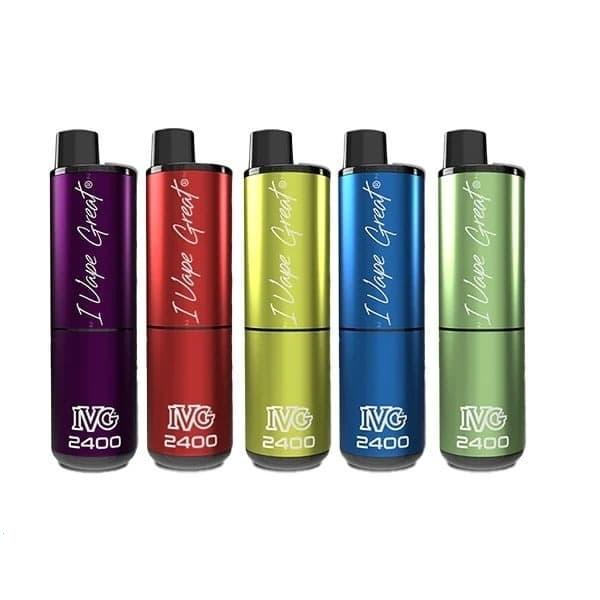

Final note: balance realistic harm reduction strategies with clear prevention messages—promote complete switching for adult smokers who cannot quit otherwise, while preventing initiation among non-smokers and youth. Use the checklists and principles above to identify the best e-cigarette options in contexts where adult harm reduction is appropriate, and always prioritize medical input for those with existing lung disease.